How Coal Mining Transformed Somerset County, PA Forever
The Land Before Coal in Somerset County
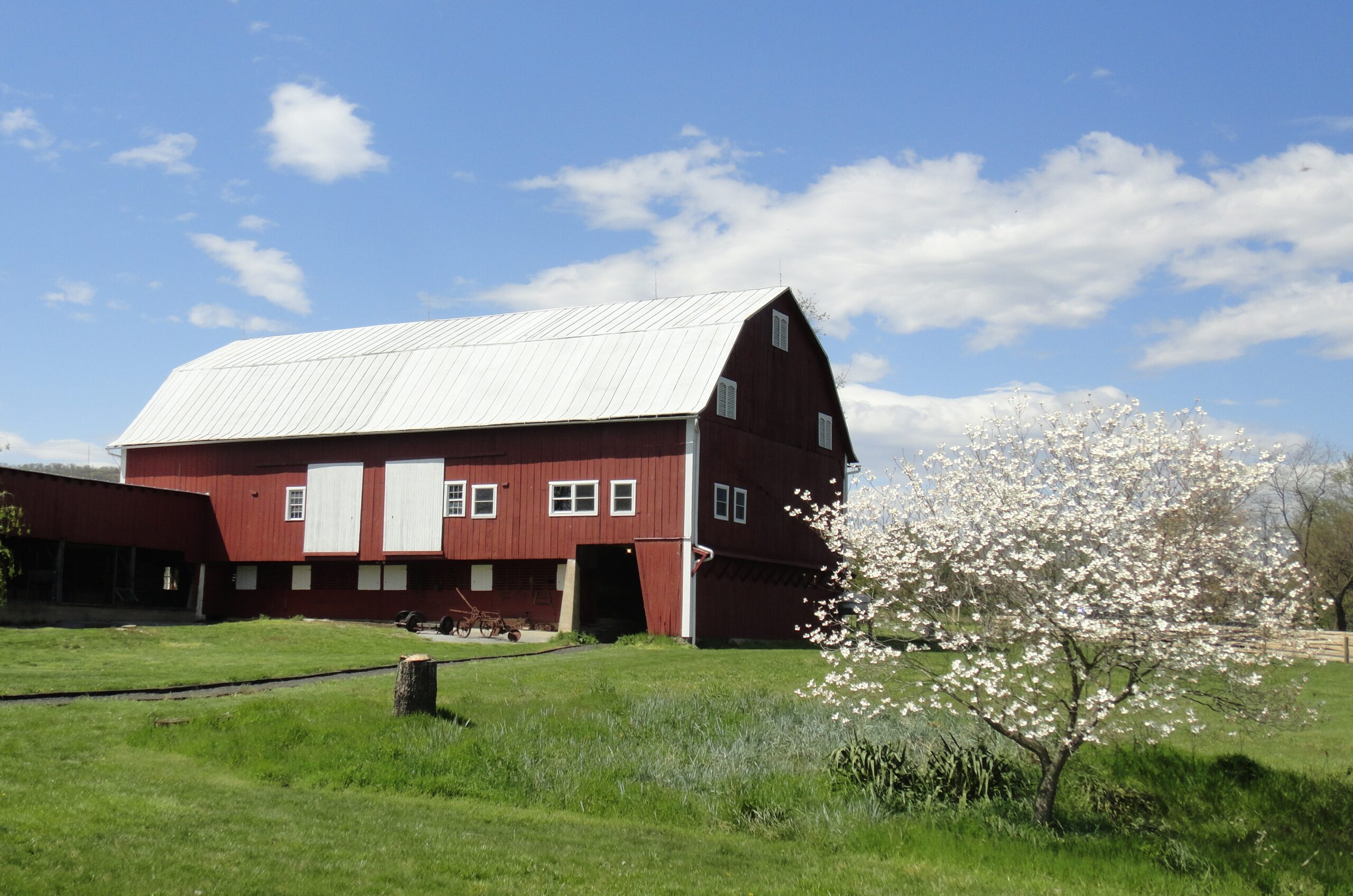
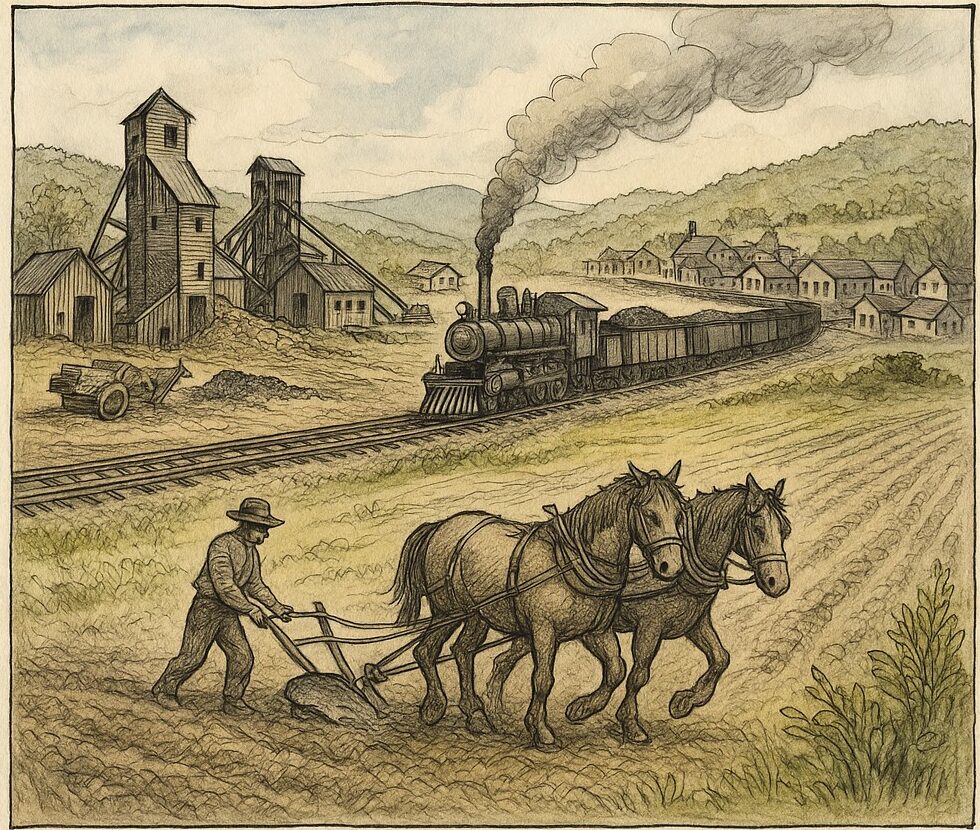
For generations, the rolling hills of Somerset County, Pennsylvania were known not for what lay beneath them, but for what flourished above: cornfields, potato patches, hay meadows, and livestock. Families measured their wealth in acres and seasons, not in seams of coal. Life was agrarian, predictable, and tied to the rhythm of the land.
But that would change—almost overnight.
A Land Rush Below the Surface
At the dawn of the 20th century, a new type of pioneer arrived. Not with wagons and seed corn, but with contracts and cash. Land speculators and coal companies swept through the region, quietly acquiring mineral rights. One company alone scooped up over 30,000 acres. More than $500,000 changed hands, often without the farmers realizing the true value of what lay beneath their fields.
It was a regional trend, driven by speculation that the railroads would soon follow—and they did.
When Railroads Replaced Wagons
The cultural and physical landscape of Somerset County began to shift. Roads once grooved by wagon wheels were overtaken by freight traffic: heavy timber, iron rails, crates of mining equipment. Rail lines carved new arteries through the hills. Where farmers had once listened to the lowing of cattle, they now heard the screech of steel wheels and the thrum of coal cars.
The slow, steady life of the farmer gave way to the urgent pulse of industry.
From Plow to Pickaxe
Young men who might have inherited the family plow turned instead to the promise of a miner’s wage. Farming communities morphed into coal towns. One such Somerset town, Windber, rose almost overnight from virgin forest—complete with sawmills, housing tracts, and a real estate frenzy. The company built everything: homes, stores, schools, even the churches.
The very identity of the region was rewritten in soot and smoke.
A New People, A New Culture
The coal boom drew immigrants in droves. Slavs, Huns, Austrians, Italians—all arrived seeking work and brought their languages, recipes, and customs with them. The cultural landscape of the region changed as quickly as the physical one. Small towns transformed into multicultural enclaves practically overnight.
Where once the air had smelled of fresh-cut hay and apple blossoms, now came the scents of kielbasa, pasta, and coal smoke.
Shaw Mines: The Grit without the Glamour
Even smaller towns like Meyersdale and Shaw Mines felt the same pull. They didn’t get the towering steel engine houses or electric trolley lines. In Shaw Mines, coal came out the old-fashioned way—by hand and sweat. Still, the transformation was total.
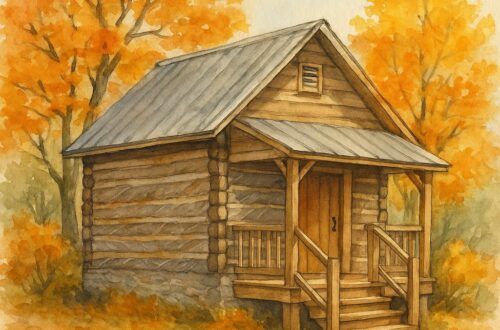
Company houses appeared in neat rows. Company stores, powerhouses and tipples appeared where fields and barns once stood. Life was dictated not by sunrise and harvest but by the shrill command of the shift whistle.
Between Two Worlds
This dramatic, sometimes disorienting shift—from pastoral to industrial, from agrarian to immigrant—sits at the center of The Ghosts of Shaw Mines, a book that captures the rise and fall of one coal town and the boy who came of age among its ruins.
But the story isn’t just in the coal seams or the collapsing shafts. It’s in the soil still tilled by descendants. In the gardens planted beside clapboard houses. And in the voices—some fading, some stubbornly alive—of those who straddled two very different eras.
© 2025 Clyde Housel. All rights reserved.
This work may not be reproduced, distributed, or transmitted in any form without prior written permission from the author, except for brief quotations in reviews or scholarly works.