The Coal Town Powerhouse
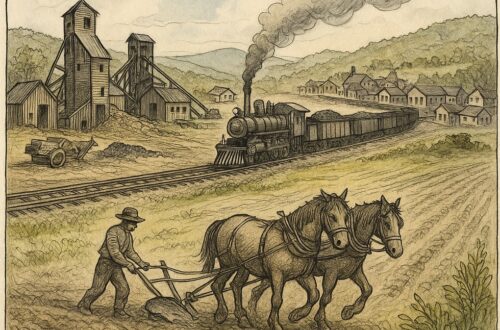
At the turn of the twentieth century, the coal mine was undergoing a quiet but profound transformation. For decades, mining had depended on muscle—human and animal—augmented by steam engines that powered hoists and pumps through belts and shafts. But by the early 1900s, electricity began to reshape the industry, and at the center of this change stood an unassuming but essential structure: the powerhouse.
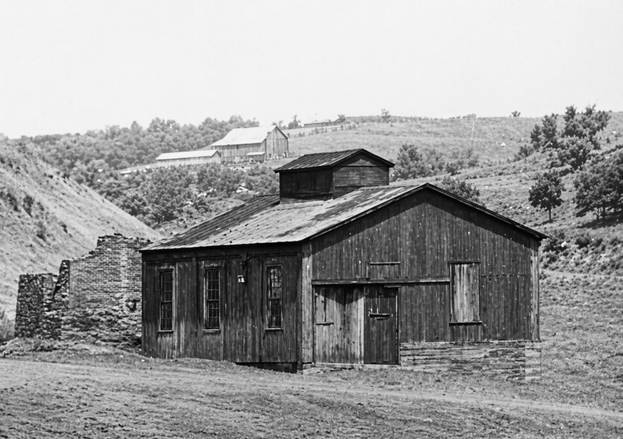
The powerhouse was the beating heart of a modernizing coal operation. Typically constructed of brick, stone, or heavy timber, it was built close enough to the mine workings to efficiently distribute power, yet far enough to reduce risk from explosions or subsidence. Inside, it housed boilers, steam engines or turbines, and increasingly, electrical generators—massive dynamos that converted mechanical energy into electricity. Coal, freshly extracted from the mine itself, fed the boilers, making the system self-sustaining in a practical sense. The mine powered the powerhouse, and the powerhouse, in turn, powered the mine.
Before electrification, loaded coal cars were pulled from the mines using horses and mules. Electricity changed that entirely. From the powerhouse, wires could carry energy deep into the mine, around corners, and into confined spaces. This allowed for the introduction of electric train enLater v
Ventilation, one of the most critical safety concerns in coal mining, also improved under electrification. Electric fans powered by the powerhouse replaced or supplemented earlier ventilation methods, helping to clear dangerous gases such as methane and improve air quality for miners underground. Likewise, electric pumps became more reliable tools for removing groundwater, reducing flooding risks that had plagued earlier operations.
Lighting was another major advancement. Early mines were dim and dangerous, lit by open flame lamps that posed explosion hazards. With electricity, incandescent lighting could be introduced, at least in main passages and surface facilities. While not eliminating all risk, electric lighting reduced dependence on flame and improved visibility, contributing to safer working conditions.
On the surface, the powerhouse also energized the broader infrastructure of the mining complex. It powered hoists that raised coal from the depths, tipples that sorted and loaded it, and sometimes even the rail systems that transported it. In some cases, surplus electricity was used to light nearby company towns or operate small industries, extending the influence of the powerhouse beyond the mine itself.
Despite its benefits, the powerhouse was not without its challenges. It required skilled operators—engineers, electricians, and maintenance crews—introducing a new class of technical labor into mining communities. The machinery was expensive, and breakdowns could halt operations entirely. Moreover, early electrical systems were not always standardized, and insulation, grounding, and safety practices were still evolving. Fires, shocks, and equipment failures were real risks.
Architecturally, many powerhouses reflected both utility and permanence. Built to endure vibration, heat, and heavy use, they often featured thick walls, tall windows for ventilation and light, and high ceilings to accommodate large equipment. Over time, as technology advanced and mines closed or consolidated, many of these structures fell into disuse. Today, their ruins—crumbling brick walls, rusted fittings, and empty foundations—stand as quiet monuments to an era when electricity first surged into the industrial landscape.
In the broader story of coal mining, the powerhouse represents a pivotal shift from brute force to distributed energy. It marked the beginning of a more mechanized, interconnected system—one that increased output, altered labor, and reshaped the physical and social environment of mining regions. Though often overlooked beside headframes and tipples, the powerhouse was, in many ways, the unseen engine of progress, humming steadily at the edge of the mine, converting coal into the very power that made its extraction more efficient than ever before.
© 2025 Clyde Housel. All rights reserved.
This article may not be reproduced or distributed without written permission from the author.