A Challenging Start to the 2026 Growing Season
Every vineyard season tells a different story, and 2026 is shaping up to be one of the more challenging growing seasons we have experienced since planting our first vines in 2001.
A combination of factors has affected vineyards throughout our region, and Hiddencroft has not been immune.
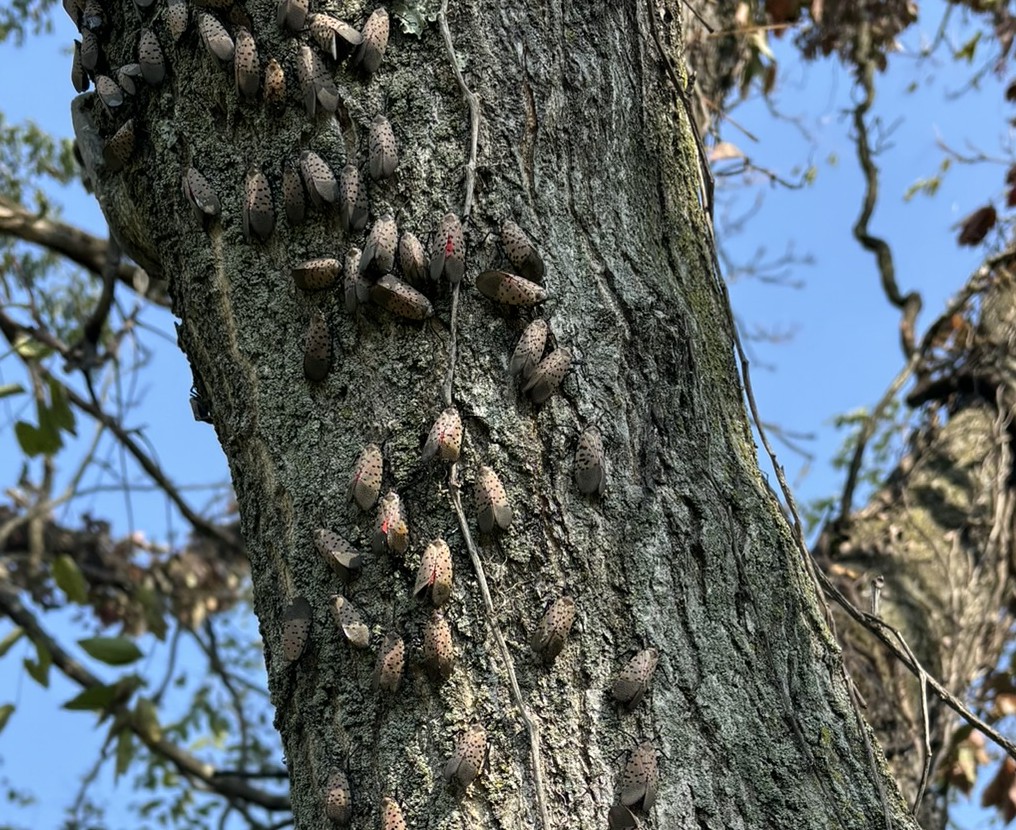
Last season, our vines endured unusually heavy pressure from Spotted Lantern Flies. While the insects rarely kill established grapevines outright, large populations can weaken vines by feeding on their sap late into the growing season. Many of our vines entered winter under greater stress than normal.
Winter then delivered another challenge. Several periods of exceptionally cold temperatures caused more vine injury and vine mortality than we typically see in Northern Virginia. Some varieties suffered significant damage to fruiting buds and canes.
As if that were not enough, a spring freeze brought temperatures down to approximately 25°F after many vines had already begun waking from winter dormancy. The freeze damaged young shoots that had already emerged and even affected many buds that had only begun to swell.
The combined effect of these events will be felt throughout the growing season.
Most of this year’s crop will need to develop from secondary buds. Secondary buds serve as nature’s backup system, but they are generally far less fruitful than primary buds and often produce only a fraction of a normal crop. Because these buds emerge later, harvest will likely be delayed and fruit may ripen with somewhat lower sugar levels and higher acidity than usual.
Winter injury has also reduced the number of healthy fruiting canes on many vines. Less surviving wood means less canopy, fewer grape clusters, and ultimately a smaller harvest.
At this point, we expect yields to be significantly below normal across most grape varieties. Unfortunately, our Tannat vines suffered extensive damage, and we do not expect a Tannat harvest this year.
The good news is that Hiddencroft has always taken a long-term approach to winemaking. Because many of our red wines spend years aging in barrel before release, we currently have an ample supply of wines resting in the Hiddencroft Cellar. Those reserves allow us to weather difficult growing seasons while continuing to offer the well-aged red wines our customers have come to expect.
Farming has always involved adapting to what nature provides. Some years are abundant. Some years test a grower’s patience. While 2026 may be remembered as a short crop year, our vines will recover, and the wines already aging in our cellar ensure there will still be plenty of Hiddencroft wines to enjoy in the years ahead.
We look forward to sharing the progress of the vineyard with you throughout the season.



One Comment
Will Zachmann
I always enjoy learning more about wine, winemaking, and “life among the vines.” As such, your occasional insights and observations are greatly appreciated. It’s an added bonus that you wine is among our very favorites in the region!